Language
Summary
It’s pretty hard to go somewhere and communicate if you don’t speak the language. Depending on the location, it can also be impolite, and / or dangerous. So, I will do my best to detail what I found most helpful during my Japan travels, based on my personal experiences and research.
Hiragana & Katakana
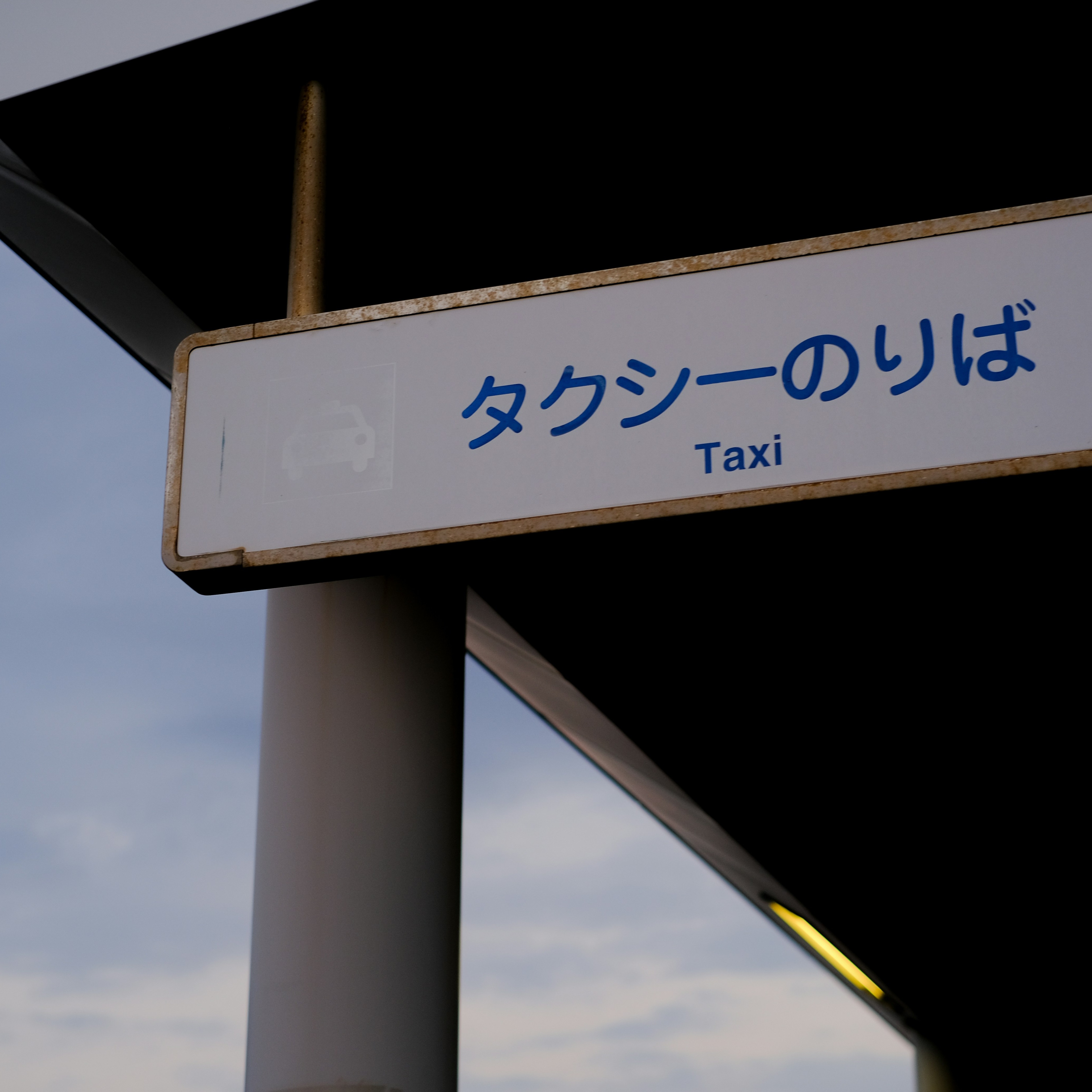
Japan is notorious for its sign filled streets. You can see them in countless photos across the web. Knowing how to read some basic characters will be a great start to learning how to read Japanese and it will also help you learn how to start speaking it.
Written Japanese can be broken into 3 written systems:
- Hiragana - Alphabet system used for local words
- Katakana - Alphabet system used for foreign words
- Kanji - Characters used for words, grammar, and even phrases with over 2,500 characters
We will be focusing on the former 2. While Kanji is important, it is more advanced and I found it unnecessary to know for simple travel communication. If you want to learn Kanji, there are resources below to continue learning.
My recommendation to learn Hiragana and Katakana is to visit www.tofugu.com/japanese/learn-hiragana/ and www.tofugu.com/japanese/learn-katakana/ respectively. Tofugu is an excellent site that helps explain the how and why to learn these. It walks you through their method of learning the systems, and has an extremely helpful quiz for recognition.
Essential Phrases
Here are some common and helpful phrases that you may use and hear. These phrases will cover most basic interactions such as ordering food, getting around, and being polite.
| Japanese | Romaji | Meaning | Use Case |
|---|---|---|---|
| ありがとう | Arigatou Gozaimasu | Thank you | A polite way of saying thank you. Ex: When a store clerk hands you your purchased items, you will say this. |
| おねがいします | Onegaishimasu | Please | A polite way of saying please. Ex: Ordering food or requesting something. |
| すみません | Sumimasen | Excuse me | A polite way of saying excuse me. Ex: When you need to squeeze by someone, or to get someone's attention such as a waiter. |
| はい | Hai | Yes | A polite way of saying yes. Ex: Confirming. |
| いいえ | Iie | No | A polite way of saying no. Ex: Denying. |
Learning Resources
Below you can find many resources that I have found helpful to my learning.
- Websites: www.tofugu.com/japanese/
Learn Hiragana and Katakana, as well as other tips - Podcasts: JapanesePod101 on Spotify and Apple Music
Learn how to listen and speak basic Japanese and phrases. This podcast was created with the tourist in mind! - Youtube: www.youtube.com/@cijapanese/
Learn basic reading skills through this game and reading play along - Books: Genki 1 and Genki 2
Learn elementary level Japanese through these highly regarded learning textbooks - Communities: www.reddit.com/, discord.com/
Join subreddits and servers to engage with others that are interested in Japan